






In modern construction projects, mini-excavators have become a vital component of compact machinery fleets. Their ability to operate in confined spaces, reduce transport costs, and perform a wide range of earthmoving tasks makes them an ideal solution for small- to medium-sized construction projects.
However, selecting a mini-excavator involves more than simply choosing a machine with a specific operating weight or engine power. A professional selection process requires a detailed analysis of actual working conditions, including soil type, digging depth, available workspace, daily operating hours, transport requirements, and future attachment needs.
Many buyers make decisions based solely on purchase price or machine size, only to discover during actual operations that the equipment fails to deliver sufficient productivity for their projects—or that they have invested in excess capacity, thereby driving up operating costs.
The right mini-excavator strikes an optimal balance between performance, versatility, reliability, and long-term operational efficiency.
The Role of Mini-Excavators in Construction Projects
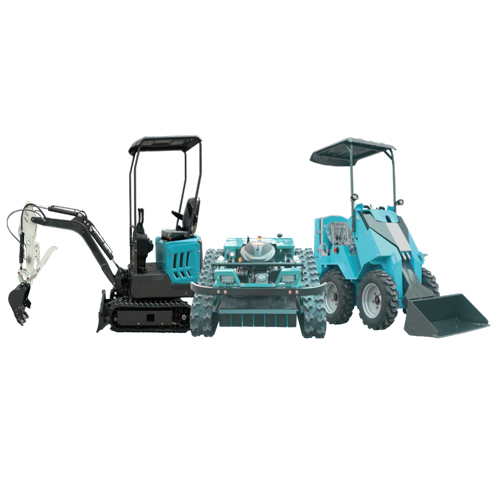
Mini-excavators are widely used in the construction industry due to their compact size and specialized digging capabilities. Their greatest advantage lies in their ability to perform excavation and material handling tasks in areas where traditional large excavators cannot operate efficiently.
In construction applications, mini-excavators are commonly used for site preparation, utility trenching, pipe installation, cable laying, drainage construction, backfilling, and landscaping projects.
Unlike large excavators, mini-excavators can operate close to existing structures and residential areas, as well as on sites with restricted access—environments that demand high precision and minimal ground disturbance.
For contractors, this means the ability to undertake a wider variety of projects with lower transport costs and without requiring extensive work areas.
Determining the Right Mini-Excavator Size for Construction
When selecting the size of a mini-excavator for construction work, operating weight is a key factor to consider, but it should not be the sole deciding factor. Smaller machines may offer excellent maneuverability and accessibility in tight spaces, but they can face limitations when dealing with harder soil conditions, deeper excavation requirements, or continuous heavy-duty work.
On the other hand, larger compact excavators typically offer superior stability, greater digging force, and higher productivity, though they may require greater transport capacity and additional operating space.
Professional users evaluate whether a machine's overall performance aligns with their specific job requirements, rather than simply opting for the largest available model.
Construction site preparation;
Utility installation;
Drainage projects;
Routine excavation tasks.
For clients with more demanding needs, larger compact excavators provide enhanced digging capacity and stability.